Loading...
Serving Castro Valley, CA and surrounding areas. (510) 973-2948
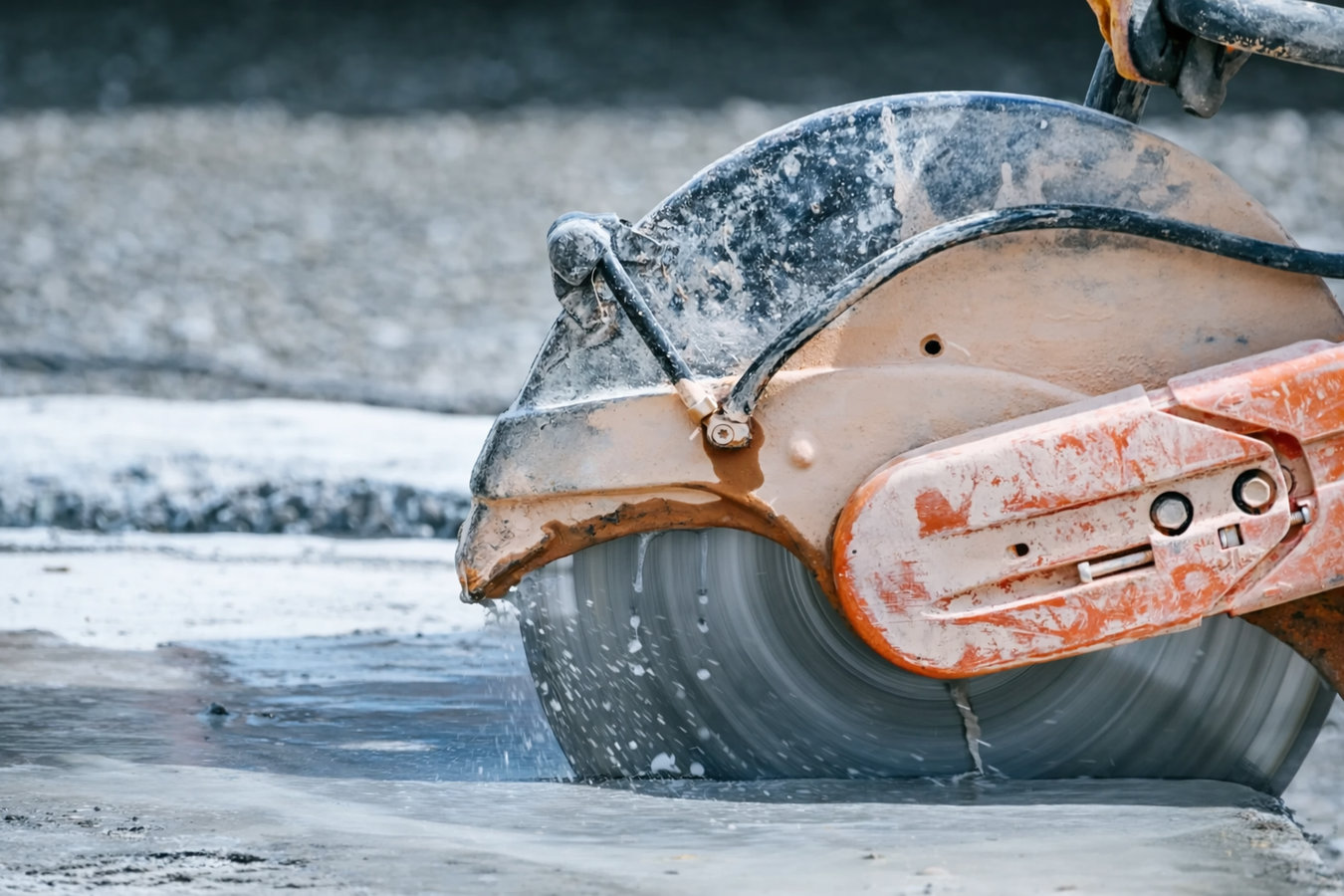
Diamond-blade cutting for driveways, slabs, and foundation walls. We control dust properly, handle Alameda County permits, and leave clean lines - not jagged edges.
Diamond-blade cutting for driveways, slabs, and foundation walls. We control dust properly, handle Alameda County permits, and leave clean lines - not jagged edges.
Concrete cutting in Castro Valley uses specialized diamond-blade saws to slice through hardened concrete cleanly and precisely - typical residential jobs take a few hours from setup to cleanup, and the result is a straight, controlled edge that leaves the surrounding slab intact.
Cutting is the right approach any time you need a clean line rather than a demolished pile. That might mean removing a cracked driveway section while preserving what is around it, opening a garage wall for a new door, cutting a drainage channel to redirect water, or adding expansion joints to a slab that has been cracking randomly because it has nowhere to flex. In Castro Valley, where clay soils expand and contract with every rainy and dry season, and where homes from the 1950s and 1960s often have aging concrete that was poured without modern joint standards, the need for precision cutting comes up regularly.
If the cutting is part of a driveway repair or replacement project, our concrete driveway building team can handle the full scope. For cut-out sections that will be replaced with new interior or exterior slabs, our concrete floor installation service covers the repour and finishing work.
If a crack in your driveway, patio, or garage floor was not there a year ago - or one that seems to be growing - the concrete is moving in a way it was not designed to handle. In Castro Valley, clay-heavy soil expands and contracts with the wet and dry seasons, and that movement often shows up as cracking that gets worse over time. Cutting out the damaged section and replacing it, or adding relief joints, stops the problem from spreading further.
When one section of a concrete walkway or driveway has lifted or dropped relative to the section next to it, there is an edge that people can catch their foot on. This kind of heaving is common in Castro Valley because of seasonal soil movement, and it tends to get worse after rainy winters. Concrete cutting allows the raised section to be removed cleanly so it can be leveled and repoured.
If you want to add a door to your garage, widen a driveway entry, or run new plumbing under a slab, concrete cutting is how that work starts. You will need it when your contractor tells you a wall or floor needs to be opened - cutting is the controlled way to do that without damaging the surrounding structure.
Concrete needs planned joints - intentional shallow cuts - to give it a place to flex as temperatures and moisture change. Many Castro Valley homes from the 1950s and 1960s have driveways or patios that were poured without them, or where original joints have filled in and stopped working. Having a contractor cut new joints is far less expensive than replacing the whole slab.
We use walk-behind diamond-blade saws for flat surfaces like driveways, patios, and garage floors, and handheld or wall saws for tighter spaces or vertical cuts through foundation walls. The right tool depends on the thickness of your concrete, how much room the crew has to work, and how precise the cut needs to be. Every cut uses water suppression to control concrete dust - which contains crystalline silica and is a real health concern if not managed properly. This is not optional on our jobs, and any contractor who dismisses the question is one worth skipping. The Concrete Sawing and Drilling Association sets the professional standards our methods follow. For projects where cutting is the first step toward a full concrete driveway building project, we coordinate both scopes of work.
We check with you upfront about whether a permit is needed through Alameda County before any work starts. Because Castro Valley is unincorporated, structural cuts - like opening a foundation wall or modifying a load-bearing element - go through the county rather than a city building department. The OSHA crystalline silica standard governs dust control requirements on all our jobs, and we follow those requirements on every residential project. For cut areas that need to be repoured and finished, our concrete floor installation service handles the next step.
Suits driveways and patios that lack control joints or have joints that have failed - cutting new ones gives the slab a place to flex and stops random cracking.
Suits homeowners removing a damaged or sunken section of driveway or patio while preserving the surrounding concrete with a clean, straight cut edge.
Suits properties where water pools against the foundation or in low spots on hard surfaces - a cut channel redirects flow away from the home.
Suits remodels requiring a new garage door, doorway, or utility opening cut through an existing concrete wall or foundation.
Suits projects where new plumbing, electrical conduit, or drainage lines need to be run beneath an existing concrete floor or driveway.
Castro Valley sits in rolling East Bay hills, and many properties here have sloped driveways, tiered yards, or retaining walls built into hillsides. Cutting on a grade requires careful management of the water slurry that runs off the blade - on a slope, that slurry can travel further than expected and needs to be contained before it reaches a drain or a neighbor's property. Older Castro Valley homes from the 1950s and 1960s present another challenge: concrete from that era is often thinner than modern standards, may lack adequate reinforcement, and sometimes has inconsistent aggregate or rebar placement that was not documented. A good contractor assesses the slab before quoting so there are no surprises on the job day. The seismic activity near the Hayward Fault also means concrete cracking and heaving are ongoing concerns here - which is why cutting for expansion joints and drainage is more common in the East Bay than in more geologically stable parts of California. Homeowners in Hayward deal with the same clay soil and seismic conditions, while neighbors in San Leandro often face similar cracking patterns in aging residential concrete.
Castro Valley gets most of its rain between November and April, and if you are planning concrete cutting that is part of a drainage fix, getting the work done before the rainy season is smart - both because dry conditions make the job cleaner and because the drainage problem will only worsen once winter storms arrive. Because Castro Valley is unincorporated Alameda County, structural cutting permits run through the county process, which differs from nearby incorporated cities like San Leandro or Hayward. We know that process and handle it for you, so your project does not stall waiting for the right office.
Call or message us with a rough description: what you are trying to accomplish, where the concrete is, and about how big the area is. You do not need exact measurements. We respond within one business day and schedule a site visit.
We come out to check the concrete thickness, look for any rebar or utilities in the way, and assess access for our equipment. This usually takes 20 to 30 minutes, and you receive a written quote shortly after - either on the spot or within a day. No commitment required at this stage.
For structural cuts through foundation walls or load-bearing elements, we determine whether an Alameda County permit is needed and handle the application on your behalf. This can add a week or two to the timeline, so it is worth asking about early in the conversation.
The crew sets up, marks cut lines, and begins cutting with water running to control dust. Most residential jobs are complete in a few hours. We clean up the slurry and debris before leaving, then walk you through what was done so you know exactly what to expect next.
We come out, assess the slab, and give you a written price before any work starts - no obligation, no sales pitch.
(510) 973-2948A significant portion of Castro Valley homes have concrete from the 1950s through the 1970s. That era of concrete can be thinner, less reinforced, and harder to cut cleanly. We look at your slab before giving a price so there are no surprises on the job day - and if we find something that will affect the outcome, we tell you before work starts.
We use wet cutting on every job to suppress the concrete dust that contains crystalline silica. California has strict worker safety requirements around this, and any licensed contractor in the state is required to follow them. Beyond compliance, we do it because it is the right way to work on your property. If a contractor quotes you without mentioning dust control, ask them directly how they handle it.
Because Castro Valley falls under Alameda County jurisdiction rather than a city, structural cutting permits work differently here than homeowners sometimes expect. We have handled the county process before and manage it on your behalf - pulling the right permits, scheduling inspections, and keeping your project moving without you needing to figure out which office to call.
The point of cutting rather than breaking is precision. Our diamond-blade saws produce straight, consistent lines that do not damage the concrete you want to keep. Castro Valley's older slabs require a skilled hand - the seismic and soil conditions here mean existing concrete is often under more stress than it appears. We cut to protect, not just to remove.
These are the things that separate a cutting job done right from one that causes more problems than it solves. We are happy to walk you through any of them when you call. Reach us at (510) 973-2948 and we will get out to your property to take a look.
Full driveway pours for when a cut-out section needs to be replaced entirely rather than patched.
Learn MoreRepour and finishing work for interior or exterior slab areas opened up by a cutting project.
Learn MoreCastro Valley's rainy season does not wait - let's get your driveway or foundation sorted before the next storm arrives.