Loading...
Serving Castro Valley, CA and surrounding areas. (510) 973-2948
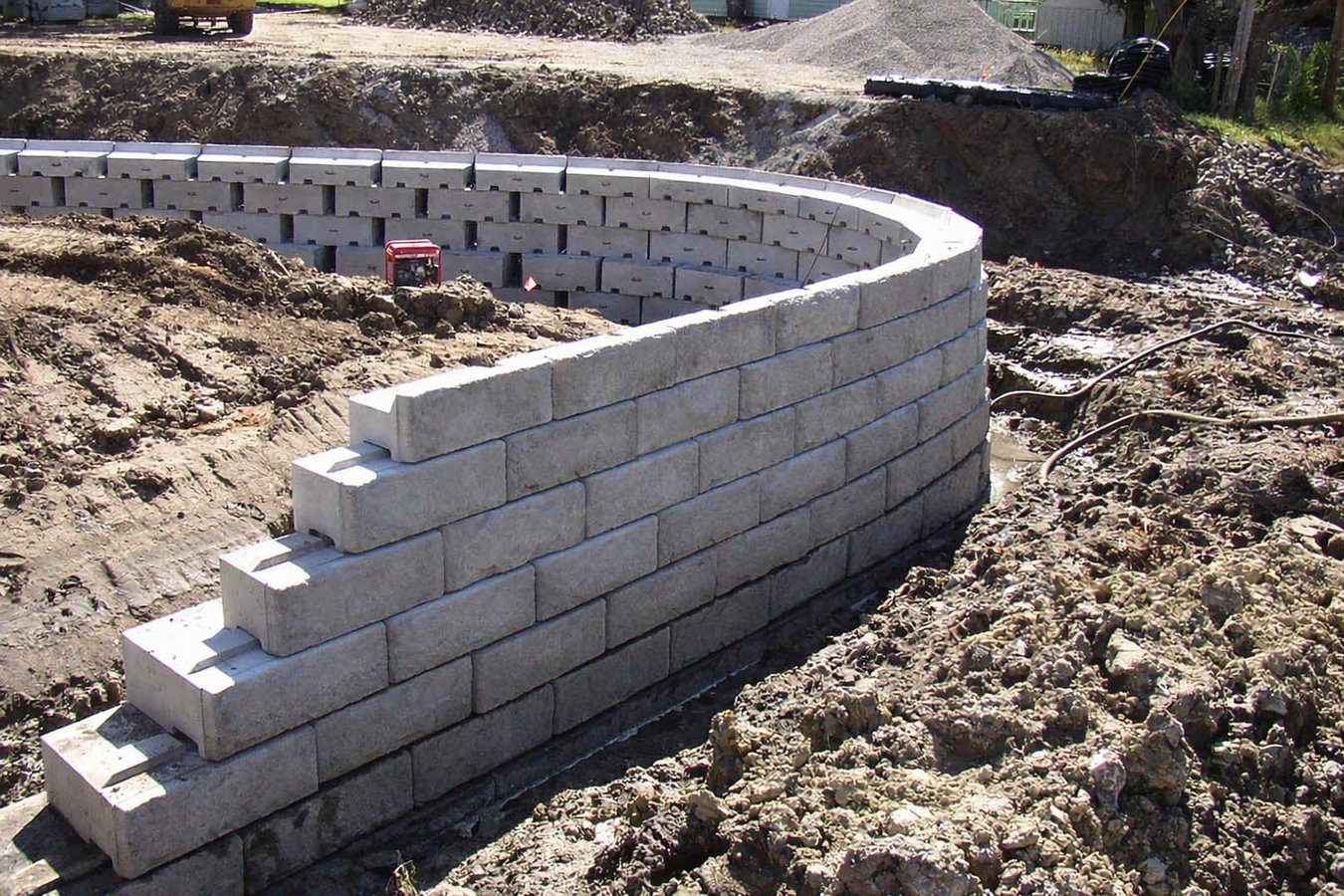
Sloped lots in the East Bay need walls built for clay soil, wet winters, and real drainage - not just stacked concrete.
Concrete retaining walls in Castro Valley hold back sloped soil so it stays where it belongs, most jobs take two to five days on-site, and a wall built with proper drainage can last 50 years or more with minimal upkeep.
Castro Valley sits in the East Bay foothills, where hillside lots are common and clay soil shifts with every rainy season. If you have a slope that is eroding toward your driveway or foundation, or a yard that is too steep to use, a concrete retaining wall is often the most durable fix. Many homeowners also pair wall projects with decorative concrete finishes to create terraced outdoor spaces once the ground is level.
The difference between a wall that lasts decades and one that leans within a few years almost always comes down to drainage. We install gravel backfill and drainage pipes behind every wall so water has a clear path out - not a reason to push.
If you notice a ridge of soil building up along the edge of your driveway or dirt encroaching on your foundation, the slope above it is moving. This is especially common on Castro Valley hillside lots after a wet winter, when saturated clay soil gets heavy and unstable. Left alone, that movement can crack concrete flatwork and create drainage problems around your home.
If part of your yard is too steep to mow, plant, or walk on safely, a retaining wall can turn that wasted space into a flat, functional area. Many Castro Valley homeowners with tiered lots have added walls to create level garden beds, patios, or play areas on what was previously just a hillside. If you have been ignoring a slope because it feels unusable, that is a good sign a wall could change things.
A wall that tilts forward, shows horizontal cracks across its face, or has gaps where it meets the surrounding soil is under stress it was not designed to handle. This often happens when drainage behind the wall fails - a common issue after several wet Bay Area winters. Do not wait for a leaning wall to fall; replacing or reinforcing it before it goes is far less expensive than dealing with the damage afterward.
Standing water collecting at the bottom of a sloped area after rain is a sign the slope is not draining properly. In Castro Valley's clay-heavy soil, poor drainage accelerates erosion and makes slopes unstable over time. A retaining wall with proper drainage built in can redirect that water and protect the slope from further movement.
We build new retaining walls from the ground up and replace walls that have started to lean, crack, or fail. Every project starts with an on-site assessment of your slope, soil type, and drainage before we recommend a wall height or design. For yards that need more than just a wall, we can combine the project with concrete floor installation for a patio or level surface behind the new wall.
We also handle everything around the wall itself - excavation, drainage pipe installation, gravel backfill, and Alameda County permit applications. For larger hillside lots where the wall needs to work alongside other concrete elements, we can tie it into concrete footings for structures being built on the newly leveled ground. You get one crew handling the full scope, not two contractors trying to coordinate.
Best for homeowners who want to level a slope, stop erosion, or create a flat usable area where one does not currently exist.
Best for properties with an existing wall that is leaning, cracking, or pulling away from the soil behind it.
Best for homeowners whose primary issue is water pooling at the base of a slope or soaking into soil against a structure.
Best for steep hillside lots that need multiple levels of walls to create a series of flat, usable yard sections.
Castro Valley sits in the East Bay foothills, and most residential lots here have at least some slope. That means retaining walls are not a luxury - they are often a practical necessity for keeping yards usable and preventing soil from moving toward driveways, patios, or foundations. The area's clay-heavy soil swells when it rains and shrinks when it dries, putting more stress on a wall than sandy soil ever would. A contractor who does not account for that with proper drainage and the right wall thickness is setting you up for a wall that fails in a few years.
Timing also matters here. Castro Valley's rainy season runs from roughly November through March, and starting a wall project during wet conditions makes excavation harder and can compromise concrete quality. Homeowners in Union City and Hayward face similar terrain and soil conditions, and the same scheduling approach applies - spring through early fall is the best window for wall work in this part of the East Bay. If you are planning a project, getting estimates in late winter puts you first in line when the weather cooperates.
We will get back to you within one business day to ask a few questions about your slope, yard size, and any drainage issues you have noticed. We schedule a free on-site visit to see the property before giving you a written estimate - no guessing at a number without seeing the ground.
If your wall will be over four feet tall, we handle the Alameda County permit application from start to finish. This typically adds two to four weeks before the start date, but it means your wall is legal, inspected, and fully documented - worth it for your protection and your home's resale value.
The crew excavates the slope, sets forms, places reinforcing steel, and pours the concrete in sections if needed. Drainage gravel and pipes go in behind the wall as it goes up - this step determines the quality of the finished wall, so we encourage you to be on-site to ask questions.
After the concrete sets, we backfill with compacted soil, remove forms, haul away debris, and walk the project with you before leaving. If a county permit was pulled, we coordinate the final inspection so you have documentation that the wall passed review.
Free on-site estimate. We handle the Alameda County permit. No surprises on the final bill.
(510) 973-2948The most common reason retaining walls fail in the East Bay is water building up behind the wall and pushing it over. We install gravel backfill and perforated drain pipe on every project so water has a clear path out. Before we backfill, we show you the drainage system so you can see exactly how it works.
Castro Valley is unincorporated Alameda County, which means permit paperwork goes through the county, not a city building department. We handle that process from application to final inspection, so your wall is documented and legal. A permitted wall is one that stands up to scrutiny if you ever sell your home or file a claim.
We have built walls on the sloped lots that make up a large share of Castro Valley's residential neighborhoods. That means we understand local clay soils, how much pressure a saturated hillside can put on a wall, and how to size the footing and drainage system for the specific conditions on your property.
Every concrete contractor in California must hold a current state license. You can verify ours on the California Contractors State License Board website in under a minute. We carry both general liability insurance and workers compensation, and we will provide proof before any work begins.
Taken together, these proof points reflect a straightforward commitment: we build walls that hold, handle the paperwork so you do not have to, and leave your property cleaner than we found it. If you have questions about your hillside before committing to anything, call us - the estimate and site visit are always free.
For permit requirements specific to your lot, the Alameda County Building Department publishes current guidelines online. The American Concrete Institute is the primary source for concrete construction standards referenced by contractors across the country.
Pour a new concrete floor for the level area created behind your retaining wall - ideal for patios, garages, or outdoor living spaces.
Learn MoreSolid concrete footings for structures being built on ground that a retaining wall has stabilized and leveled.
Learn MoreCastro Valley's dry season fills up fast - lock in your start date now and have your hillside secured before the next rainy season arrives.