Loading...
Serving Castro Valley, CA and surrounding areas. (510) 973-2948
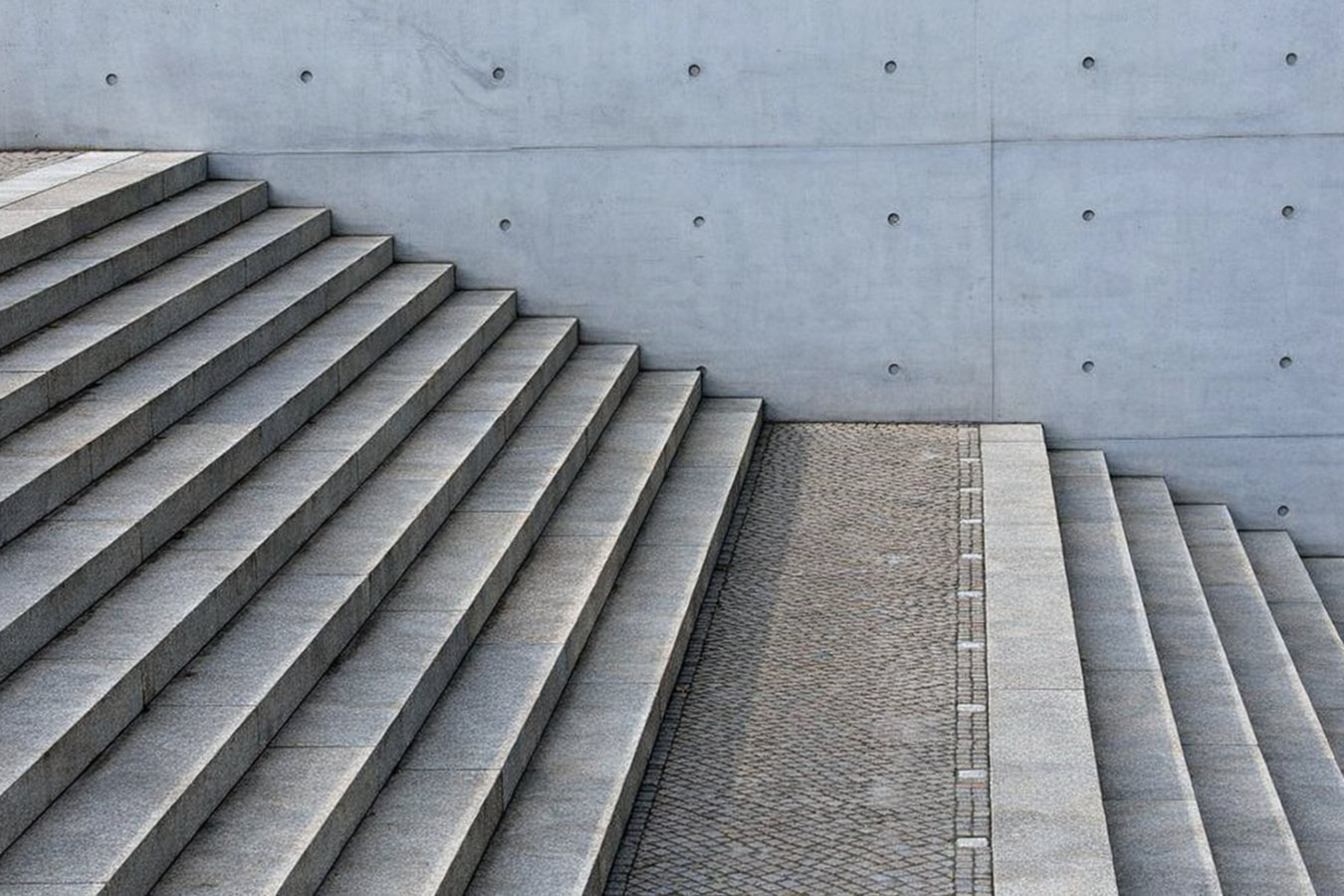
Cracked, uneven, or separating steps are a hazard on any Castro Valley hillside lot. We pour reinforced concrete steps designed for the soil, slope, and weather here.
Cracked, uneven, or separating steps are a hazard on any Castro Valley hillside lot. We pour reinforced concrete steps designed for the soil, slope, and weather here.
Concrete steps construction in Castro Valley means demolishing old stairs if needed, preparing a compacted base, building wood forms, pouring reinforced concrete, and finishing the surface - most residential projects take one to two days of active work, with the steps ready to walk on within 24 to 48 hours.
Castro Valley homes sit on sloped lots where the front door often sits several feet above street level. That means steps here typically span more vertical distance than a flat-lot home, and the soil underneath moves with every rainy season. Steps that were not built with that in mind tend to crack, shift, and pull away from the house within a few years. Getting this right starts at the ground level, before a single bag of concrete is opened.
If your project also involves the path leading away from the steps, our concrete sidewalk building service handles that side of the work so the full approach to your home is coordinated and level.
If you can see cracks wider than a hairline running across the top of your steps or along the edges, the concrete is breaking down. In Castro Valley, this often happens because the clay soil underneath has shifted - swelling during wet winters and shrinking in dry summers. Cracks that go all the way through, or that are getting wider over time, usually mean replacement rather than patching.
A visible gap between your steps and the foundation or porch means the steps have shifted. This is a common problem in the East Bay because of clay soils and occasional seismic activity near the Hayward Fault. That gap is not just cosmetic - it lets water get in behind the steps, which makes the underlying problem worse each winter.
If one step sits noticeably lower than the others, or the whole staircase seems to tilt, the base underneath has settled unevenly. Uneven steps are one of the most common causes of falls at home. If you find yourself adjusting your stride when you use the stairs, that is a sign the steps have moved past the point of a simple patch.
If the surface of your steps is flaking off in chunks or feels rough and pitted, the concrete is deteriorating from the outside in. Castro Valley's wet winters allow water to work into small surface pores and gradually break down the concrete. Once the surface starts to go, it tends to get worse quickly.
We build poured-in-place concrete steps for front entries, side yards, backyard terraces, and any spot where a grade change requires a staircase. Every set of steps includes steel reinforcement inside the concrete - not optional, given Castro Valley's seismic proximity to the Hayward Fault and the clay soil that moves every wet season. We also connect steps to our slab foundation work when a project involves building or upgrading an entry structure.
Finish options range from a simple broom finish - the most practical choice for wet weather grip - to exposed aggregate and decorative stamped patterns for homeowners who want their front entry to make a better impression. Demolition and debris hauling is included in every replacement project, and we handle all Alameda County permit applications ourselves. The American Concrete Institute publishes the placement and reinforcement standards we follow on every pour.
Suits homeowners whose existing steps are cracked, shifted, or detached from the house.
Suits homeowners building a new entry, adding a backyard terrace, or tackling a lot with significant grade change.
Suits homeowners who want a slip-resistant surface that is easy to maintain year-round.
Suits homeowners who want a more decorative surface with good grip for wet weather.
Suits Castro Valley homes on hillside lots where standard step dimensions need to be adapted to the natural grade.
Castro Valley is built across a series of hills and canyons, and many homes sit on sloped lots where the front door is several feet above the sidewalk. That means concrete steps here often need to span more vertical distance than on a flat lot - more steps, more concrete, and more careful formwork to keep everything plumb and even. Drainage at the base of the stairs matters too. If water pools at the bottom after a rain, the soil underneath erodes and the steps eventually settle. We grade the area around every staircase we pour to keep water moving away, not collecting.
The clay soil common across the East Bay adds another layer of complexity. It shifts seasonally, and steps that are not properly anchored and reinforced will crack or pull away within a few years. Homeowners across the area - from neighborhoods near San Lorenzo to hillside streets above Fairview - deal with the same soil conditions. We build every staircase with the subbase, reinforcement, and drainage designed for what the ground here actually does.
We respond within one business day. We will ask a few questions about the number of steps, whether there are existing stairs to remove, and what the slope of your site looks like before scheduling a free on-site estimate.
We visit your Castro Valley home, look at the existing steps and site conditions, and give you a written quote. The quote includes demolition, permit fees, and cleanup - so there are no surprises once the job starts.
We apply for the Alameda County building permit on your behalf. This typically takes a few business days to a couple of weeks. Once the permit is issued, we lock in your start date and you will know exactly when the crew arrives.
Old steps come out, the base gets prepared and compacted, and the new concrete is poured and finished in a coordinated sequence. Before we leave, we walk the finished steps with you to make sure everything looks right and feels solid underfoot.
We handle Alameda County permits, demolition, and the pour - you just choose the finish.
(510) 973-2948Every set of steps we pour includes steel rebar or mesh inside the concrete. Castro Valley sits near the Hayward Fault, and the clay soil adds seasonal movement on top of that. Internal reinforcement is not an upgrade here - it is the baseline that keeps steps from cracking and pulling away over time.
Many Castro Valley homes sit on sloped lots that require more steps, more careful formwork, and thoughtful drainage planning at the base. We have worked on hillside entries throughout the area and understand what each of those variables requires before the first form goes up.
Castro Valley permits go through Alameda County Public Works, not a city building department. We navigate that process on your behalf - from the application through the inspection - so you do not have to chase paperwork or wonder about the status of your permit.
Castro Valley mornings are often damp, and wet steps without proper texture are a fall waiting to happen. We build slip resistance into the surface finish on every staircase we pour, whether that is a broom finish or exposed aggregate - so the steps are safe to use on the foggiest February morning.
Steps that are built right the first time do not need attention for decades. That is the standard we hold every project to, and it is why homeowners in Castro Valley and the surrounding East Bay communities call us when they want the job done properly.
When your steps connect to an entry structure or porch, a properly poured slab foundation underneath keeps everything stable through Castro Valley winters.
Learn MorePair new steps with a level, well-drained concrete walkway that carries visitors safely from the street to your front door.
Learn MoreCall today or request a free estimate online - we respond within one business day and handle everything from permits to the final walkthrough.