Loading...
Serving Castro Valley, CA and surrounding areas. (510) 973-2948
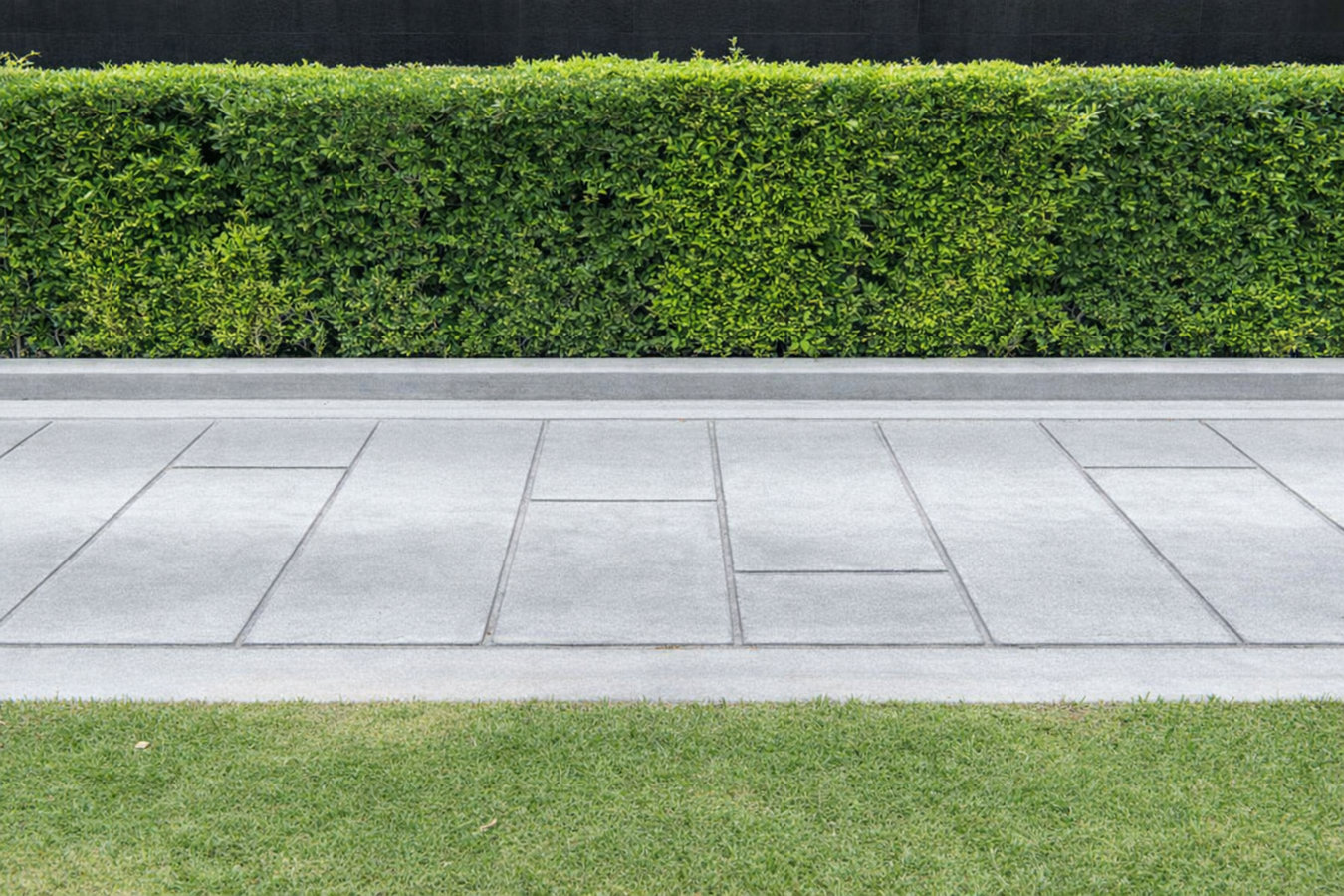
A cracked, heaved, or missing walkway is a safety hazard. We build new concrete sidewalks that stay flat and safe for decades - even in Castro Valley's clay soil with mature tree roots.
Concrete sidewalk building in Castro Valley means removing whatever is there now, preparing a compacted gravel base underneath, and pouring fresh concrete that hardens into a durable walking surface - most standard front walkways take one to two days of active work on site, with foot traffic possible in 24 to 48 hours.
The ground preparation matters as much as the pour itself. Castro Valley's clay-heavy soil shifts with the seasons, and a sidewalk poured without the right base will crack and heave within a few years regardless of how good the concrete is. Many homeowners who also need their driveway replaced find that combining it with a new sidewalk on the same visit saves time and often reduces the overall cost. See our concrete driveway building service if that applies to you.
If you want a decorative finish on your new walkway - something that complements your home's exterior - our garage floor concrete and stamped finishing options can be applied to sidewalk work as well.
If one section of your sidewalk sits noticeably higher or lower than the one next to it, that is a tripping hazard. In Castro Valley, this is often caused by tree roots pushing up from below or clay soil shifting under the slab. A raised edge of even half an inch can catch a foot, especially at night or for older family members. This is a clear sign that replacement is overdue.
Hairline cracks are normal and usually cosmetic. But when cracks are wide enough to catch your fingertip, or when you can see one side sitting higher than the other, the structural integrity is compromised. In Castro Valley's clay-soil conditions, these cracks tend to grow over time as the ground keeps moving - waiting rarely makes the problem smaller.
A well-built sidewalk is designed to shed water to the side. If you notice puddles sitting on your walk after winter rains, the slab has either settled unevenly or was never graded correctly. Standing water accelerates surface deterioration and creates a slipping hazard - both problems that get worse if left alone.
When the top layer starts to peel away in thin chips or the edges are crumbling, the slab has reached the end of its useful life. This kind of breakdown is common in Castro Valley's older neighborhoods where original sidewalks are now several decades old. Once the surface is breaking down broadly, replacement is the more cost-effective long-term choice.
We handle the full scope: demolition of the existing walk, excavation, gravel base compaction, forming, the pour, finishing, control joint cutting, and sealing. We also assess tree root paths before we start and build that into the plan - not as an afterthought. If your project touches the public right-of-way near the street, we pull the required Alameda County encroachment permit so you do not have to navigate that process yourself.
Surface finish options range from standard broom texture to decorative stamped patterns. For homeowners who want their new sidewalk to match a stamped driveway or patio, the finishes can be coordinated on the same project. We also offer concrete driveway building if you want to tackle both at once, and garage floor concrete if you are also thinking about the apron or interior slab.
Best for homes with a cracked or heaved walk from the driveway or street to the front door - the most common request in Castro Valley's older neighborhoods.
Suits properties that never had a proper walk, or where overgrown landscaping has taken over the original path.
Good for homeowners who need a clean, stable surface between the house and a side gate, garage, or trash area.
An option for homeowners who want a sidewalk that improves curb appeal and complements the style of the home's exterior.
Castro Valley is an unincorporated community under Alameda County, which means sidewalk work near the street requires an encroachment permit from the county - not a city permit. Contractors who do not regularly work in this area sometimes miss this and skip the permit entirely, leaving the homeowner exposed. Homeowners in San Lorenzo face the same Alameda County requirements and we handle that process as part of every relevant project.
Castro Valley's housing stock is largely from the 1950s through the 1970s, which means many original sidewalks are now 50 to 70 years old. When those slabs come out, we often find ground that has been disturbed by decades of root growth - especially near the mature trees that line streets throughout the area. Homeowners in Hayward and throughout the East Bay face the same combination of aging infrastructure and established tree canopy. We assess root paths before every pour and build a plan that accounts for them, rather than ignoring them and leaving you with the same problem in a few years.
We respond within one business day and schedule a site visit before giving you any numbers. The estimate visit takes 20 to 30 minutes and covers ground conditions, tree roots, and whether your project needs a county permit. You get a written quote broken down by scope.
If your project touches the public right-of-way near the street, we pull the Alameda County encroachment permit before work starts. Permit processing typically adds one to two weeks to the timeline, so we factor that in from the start so there are no surprises.
The crew removes the old surface, excavates for the gravel base, assesses any root situations, and compacts everything carefully. The concrete is then poured, finished to your chosen texture, and control joints are cut. Most standard front walks are poured in a single day.
You can walk on the slab lightly within 24 to 48 hours - your contractor will confirm the window based on that day's conditions. We do a final walkthrough before leaving. Full concrete strength develops over about 28 days, but normal foot traffic is fine well before that.
We visit your property before quoting. No phone estimates, no obligations.
(510) 973-2948We hold a current California C-8 Concrete Contractor license - verifiable on the CSLB website - and we know Alameda County's encroachment permit process for sidewalk work near the street. Most homeowners should not have to figure out the permit system themselves.
Castro Valley's established neighborhoods have mature trees with roots that have been spreading for decades. We assess the root situation before we pour, not after - which is what separates a sidewalk that lasts from one that heaves in three years.
Clay soil is the underlying reason so many Castro Valley sidewalks fail early. We compact the base specifically for these conditions - because the work under the slab is what determines whether your sidewalk stays flat for 30 years or cracks in the first rainy season.
Not every cracked sidewalk needs to be torn out. We will tell you honestly if a repair is the right call for your situation. If replacement is the better long-term choice, we explain why - so you can make an informed decision, not just take our word for it.
Sidewalk work near the public right-of-way in Castro Valley falls under Alameda County Public Works Agency jurisdiction. We know the process, pull the permit when required, and build the inspection timeline into your project schedule. You do not need to make a single call to the county.
Every project in Castro Valley comes with the same conditions - clay soil, tree roots that have had decades to spread, homes from the postwar era, and county permit rules that out-of-area contractors often do not know. We work here regularly, and that local knowledge shows up in the finished result.
Repair or replace a cracked, stained, or deteriorating garage floor slab - a natural next step after front walkway work.
Learn MoreReplace an aging driveway slab alongside your new sidewalk to complete the front of your property in one project.
Learn MoreSpring and fall project slots book quickly - reach out today and we will get you a written quote within one business day.