Concrete Slab & Foundation Work
Strong foundations built right the first time for residential and commercial projects.
Why Foundation Work Matters
Your foundation is literally what everything else sits on. Whether you are building a new home, adding a garage, or constructing a commercial building, the foundation has to be done right. A properly poured concrete slab provides a solid, level base that will not settle, shift, or fail over time. When foundation work is done poorly, you end up with cracked walls, uneven floors, and structural problems that cost thousands to fix.
We have been pouring foundations and slabs in Castro Valley since 2024. Our area has specific soil conditions and seismic requirements that affect how foundations must be built. Clay soils that expand and contract with moisture changes, local building codes for earthquake resistance, and proper drainage for our rainy winters all factor into our work. DAL Castro Valley Concrete understands these local requirements and builds foundations that meet or exceed every code and standard.
Foundation work includes several types of projects. Slab-on-grade foundations are the most common for single-story homes and additions. We also pour footings for stem wall foundations, garage floors, shed pads, and commercial building slabs. Each type has specific requirements for thickness, reinforcement, and preparation. Our team has the experience and equipment to handle any foundation project correctly.
The Foundation Installation Process
A quality foundation starts with thorough site preparation. We excavate to the proper depth and grade the area so water drains away from the building. The soil gets compacted to provide a stable base that will not settle. Then we install several inches of gravel base material and compact that as well. This multi-layer approach creates a foundation that stays solid even as soil moisture levels change through the seasons.
Next comes forming and reinforcement. We set laser-accurate forms to ensure the slab is level and the right height. Inside the forms, we install rebar or welded wire mesh according to engineering specifications. For areas with plumbing, we coordinate with other trades to get pipes and electrical conduits in place before we pour. Everything has to be inspected and approved before we can proceed.
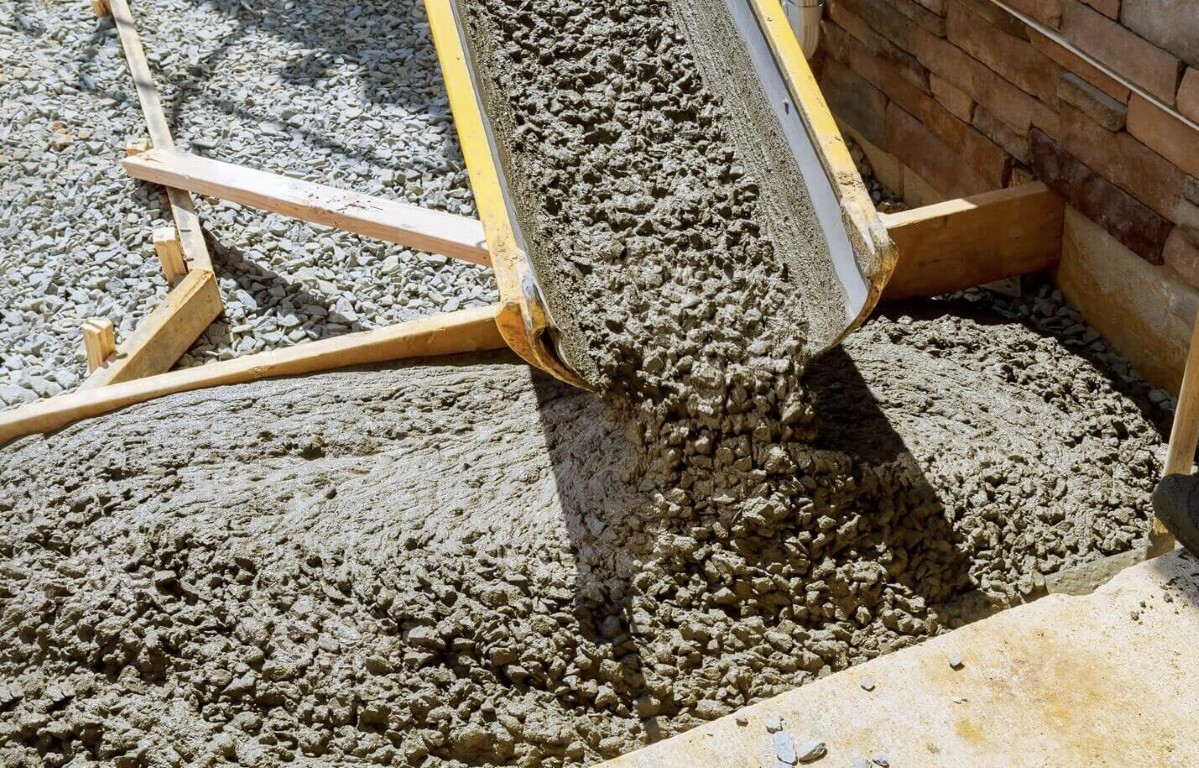
The concrete pour is where experience really shows. We use proper concrete mix designs specified for foundation work, typically 3,000 to 4,000 PSI strength. The concrete arrives in trucks, and we have to place it, screed it level, and finish the surface while it is still workable. For larger slabs, we may pour in sections with proper joints. After finishing, we apply curing compound and protect the slab while it gains strength over the next several days.
Types of Foundation Work We Do
- Slab-on-grade foundations for new homes and additions
- Garage and shop floors with proper thickness for vehicle loads
- Shed and accessory building pads
- Footings for stem wall and pier foundations
- Commercial building slabs with reinforcement for heavy loads
- Basement floors and foundation walls
- Equipment pads for HVAC units, generators, and machinery
Building codes are strict for good reason. Foundations must meet specific requirements for thickness, reinforcement, and construction methods. We pull proper permits and coordinate inspections so your project is done legally and safely.
Residential Foundation Projects
Most new homes in Castro Valley use slab-on-grade foundations. This means the concrete slab serves as both the foundation and the floor of the first story. A typical residential slab is 4 to 6 inches thick with thickened edges where walls will sit. The thickened edges, called grade beams, are usually 12 to 18 inches deep and provide extra support for load-bearing walls.
Room additions require careful work to tie the new foundation into the existing structure properly. We core drill into the existing foundation and install rebar dowels to create a structural connection. The new concrete bonds with the old, creating a continuous foundation. This prevents differential settling where the addition might drop away from the main house over time.
Garage floors take more abuse than most concrete surfaces. Cars drive on them daily, tracking in moisture, salt, and chemicals. We typically pour garage floors at least 4 inches thick and use a harder trowel finish that resists wear. For homeowners who want the most durable garage floor possible, we can add fiber reinforcement or increase the thickness to 5 or 6 inches.
Commercial Foundation Work
Commercial slabs are engineered for much heavier loads than residential foundations. Warehouses, retail buildings, and industrial facilities need thicker concrete with more reinforcement. A typical commercial slab might be 6 to 8 inches thick with rebar on 12-inch centers both directions. Some heavy-duty applications require even more substantial construction.
We work directly with engineers and architects to meet the specific requirements of your commercial project. This includes coordinating with other trades for underground utilities, installing anchor bolts for steel columns, and creating proper joints for large slab areas. Commercial work also requires detailed documentation and multiple inspections throughout the process.
Timing matters on commercial projects. We understand that delays cost money, so we show up when scheduled and complete work efficiently. Our team has the equipment and expertise to handle large pours, including projects that require multiple concrete trucks and pump equipment. We coordinate with your general contractor to keep the project moving forward on schedule.
Quality and Longevity
A foundation done right lasts as long as the building itself. The key is proper preparation, correct materials, and skilled execution. We do not cut corners on base preparation or reinforcement. We use quality concrete from local suppliers we trust. Our finishers know how to work the concrete properly without overworking it, which can weaken the surface.
Curing is just as important as pouring. Concrete needs moisture to cure properly and reach full strength. In hot weather, we may need to keep the slab damp for several days. We protect new foundations from traffic and construction loads until they have adequate strength. This attention to detail during the curing period makes the difference between a foundation that lasts and one that develops problems.
When you hire experienced foundation contractors, you get peace of mind knowing the most important part of your building is solid. Our work is backed by proper permits, inspections, and our commitment to quality. Whether you need a simple shed pad or a complex commercial foundation, we bring the same level of professionalism and skill to every project. Just like our driveway work, we build foundations that stand the test of time.