Sidewalks, Walkways & Flatwork
Safe, attractive concrete walkways that enhance curb appeal and connect your property.
The Importance of Quality Walkways
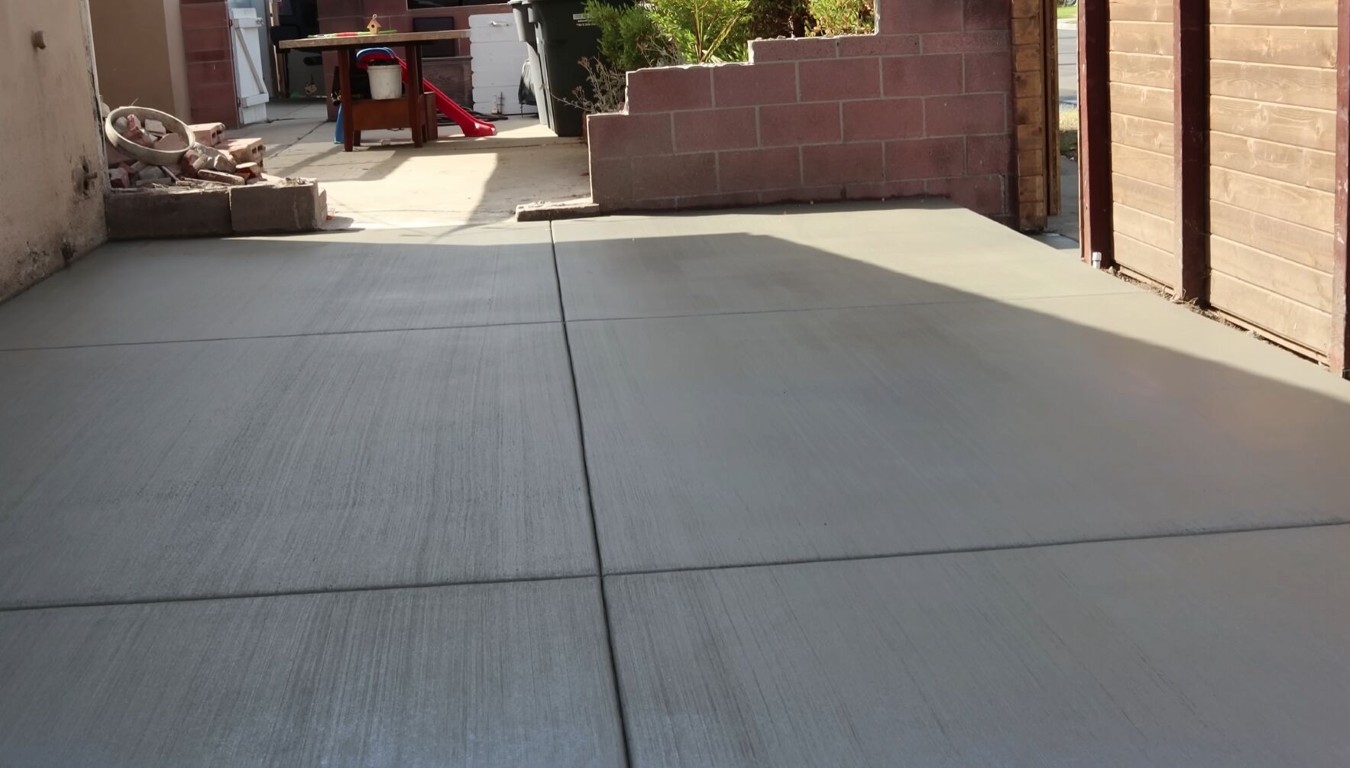
Walkways are more than just paths from one place to another. They guide visitors to your door, define garden spaces, and add structure to your landscaping. A well-designed walkway improves safety by providing a level, slip-resistant surface. It protects your lawn from wear and prevents mud from being tracked inside. Quality concrete flatwork also adds value to your property and enhances curb appeal.
We have been installing sidewalks and walkways in Castro Valley since 2024. Our work includes front entry walks, garden paths, side yards, and public sidewalks along the street. Each project gets careful attention to proper grading, base preparation, and finishing. When you choose DAL Castro Valley Concrete for walkway installation, you get concrete work that stays level, drains properly, and looks good for decades.
Flatwork is the term contractors use for any concrete surface that lies flat rather than standing vertical. This includes sidewalks, walkways, stairs, landings, courtyards, and various pads for equipment or storage. The skills and techniques are similar across all these applications. Proper flatwork requires attention to grade, thickness, reinforcement, and finishing to create surfaces that perform well over time.
Types of Walkway Projects
Front entry walkways connect your driveway or street to your front door. They make an important first impression on visitors. Width matters here. A walkway should be at least 3 feet wide for one person, but 4 to 5 feet works better for two people walking side by side. We often design entry walks with a slight curve or angle rather than a straight shot, which looks more interesting and inviting.
Garden paths wind through landscaping to provide access for maintenance or create walking routes through your yard. These can be narrower, around 2 to 3 feet, since they typically get single-file traffic. Curved paths feel more natural in garden settings. We can integrate stepping stones, vary the width, or add decorative elements to make garden paths both functional and beautiful.
Public sidewalks along the street have specific code requirements for width, slope, and construction. Most cities require 4 to 5 feet of width and specific cross-slope for drainage. The work often requires permits and inspections. We handle all the paperwork and ensure your sidewalk meets every requirement. Properly built public sidewalks serve your property and the community for generations.
Flatwork Applications
- Front entry walkways from driveway or street to door
- Backyard paths connecting patio, garden, and other areas
- Side yard walkways for access to back or utility areas
- Public sidewalks meeting city standards and codes
- Concrete stairs and landings for elevation changes
- Courtyards and small gathering spaces
- Equipment pads for AC units, pool equipment, generators
Accessibility matters. Walkways should be safe and usable for everyone, including people with mobility challenges. We design appropriate slopes, avoid steps where possible, and create slip-resistant surfaces that work in all weather.
Design and Layout
Good walkway design considers both form and function. The path should follow a logical route that people will actually use. Shortcuts across lawns show you where walkways should have been. Width needs to accommodate expected traffic. Curves add visual interest but should not feel forced. The walkway should complement your home architecture and existing landscaping rather than fighting against them.
Slope and drainage require careful planning. Walkways need some slope to shed water, typically a quarter inch per foot of width. Longer runs may need cross-slope to prevent water from running straight down the middle. In areas with elevation changes, we calculate where stairs become necessary and how many steps work best for the vertical rise. Proper grading prevents water from pooling and ice from forming in winter.
Decorative options let you create walkways that stand out. Stamped concrete patterns can mimic natural stone, brick, or slate. Borders in contrasting colors define edges. Exposed aggregate adds texture and natural stone colors. Saw-cut patterns create geometric designs. Even basic broom finish can be applied in different directions to create subtle patterns. We help you choose finishes that match your style and budget.
Installation Process
Walkway installation starts with layout and excavation. We mark the path, establish grade, and dig out soil to proper depth. Most walkways need about 7 to 8 inches total depth - 4 inches of compacted gravel base and 4 inches of concrete. Narrower garden paths might get by with less, while heavily traveled areas should be thicker. The base must be compacted solid to prevent settling.
Next comes forming. We set wood or metal forms along the edges to contain the concrete and create clean lines. Forms get staked securely and checked for proper height and alignment. For curved walkways, we use flexible forms that bend to the desired shape. Inside the forms, we install wire mesh or fiber reinforcement to control cracking. Everything gets inspected before we order concrete.
The concrete pour moves quickly once it starts. We place, screed, and float the concrete to create a smooth, level surface. After floating, we apply the final texture or pattern. Broom finish gets brushed on while the concrete is still plastic. Stamped patterns get pressed in at just the right moment. Control joints get cut or tooled in to control where cracks occur. After finishing, we protect the surface while it cures.
Steps, Stairs, and Landings
Concrete stairs require precise construction to be safe and comfortable. Riser height, the vertical distance between steps, should be consistent and between 6 and 8 inches. Tread depth, the horizontal part you step on, needs to be at least 10 to 11 inches. The relationship between riser and tread affects how comfortable stairs feel to climb. We follow proven formulas that create stairs with good proportions.
Landings provide resting spots on long stair runs and meeting points where paths change direction. Building codes often require landings after certain numbers of steps. A landing should be at least as deep as the stairway is wide, giving you room to comfortably stand and change direction. We integrate landings naturally into the design so they feel like intentional features rather than code requirements.
For front entries and other prominent locations, decorative stairs make an impact. We can form curved risers, create bullnose edges, add color or stamping, and integrate lighting. Stone veneer on risers combined with concrete treads gives an upscale look. Matching stair finishes to patio work creates a cohesive design that ties your outdoor spaces together.
Maintenance and Longevity
Concrete walkways need minimal maintenance but benefit from basic care. Sweep off leaves and debris regularly to prevent staining. Rinse occasionally with a garden hose. For tougher dirt or stains, use a mild detergent and scrub brush. Avoid pressure washing decorative finishes, as high pressure can damage the surface texture. Simple cleaning keeps walkways looking good for years.
Seal decorative concrete every 2 to 3 years to protect the finish and make cleaning easier. Plain broom-finish concrete does not require sealing but can benefit from it in high-traffic areas. Check for small cracks annually and fill them promptly to prevent water intrusion. Make sure drainage around walkways stays functional so water does not pool or erode the base.
A properly installed concrete walkway lasts 30 years or more with minimal issues. The key is correct construction from the start. Adequate base preparation, proper thickness, good reinforcement, and skilled finishing create walkways that serve your property for decades. When problems do develop, most can be repaired without complete replacement. Quality work upfront saves money and hassle over the long term.