Stamped & Decorative Concrete
Get the elegant look of stone, brick, or tile at a fraction of the cost with decorative concrete.
The Beauty of Decorative Concrete
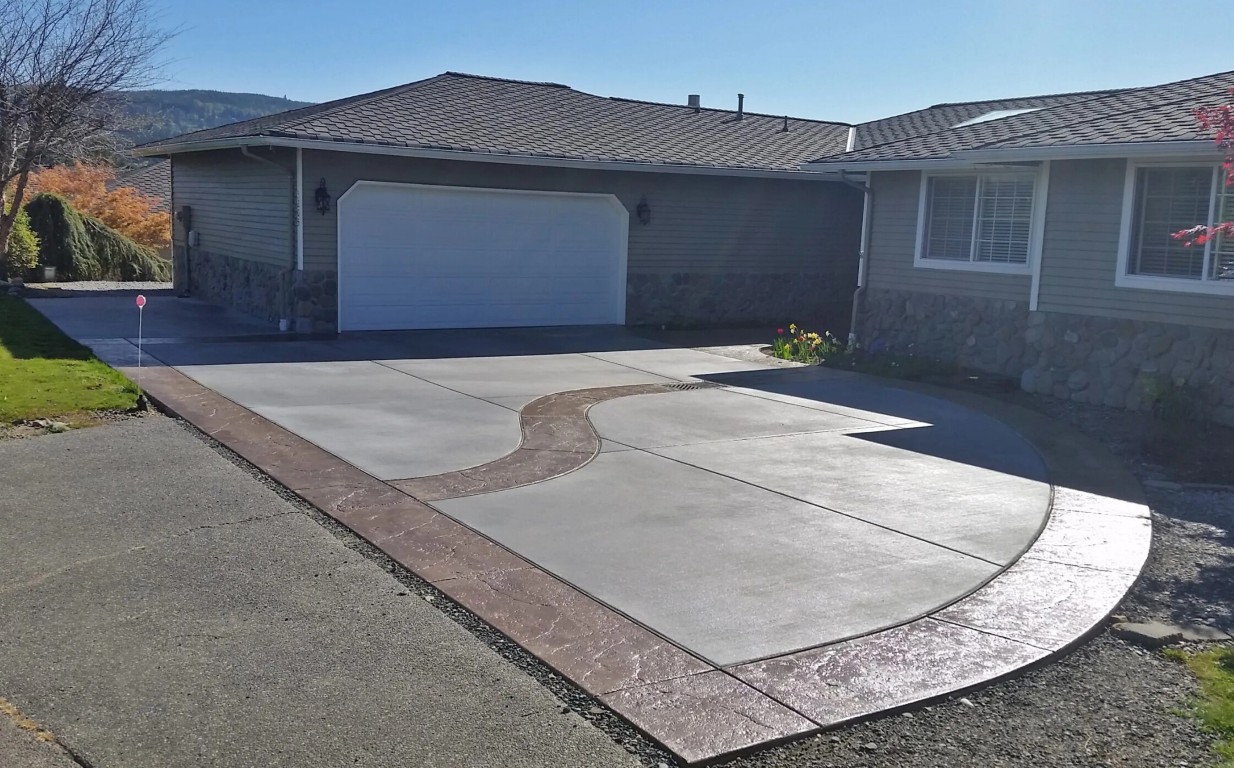
Decorative concrete transforms ordinary gray surfaces into stunning features that enhance your property. Stamped patterns can mimic natural flagstone, slate, or cobblestone. Colors range from earth tones to bold shades. Textures add visual interest and improve traction. The best part is you get these premium looks without the high cost and maintenance issues of actual stone or pavers.
We have been creating decorative concrete surfaces in Castro Valley since 2024. Our work includes stamped driveways, patterned patios, colored walkways, and textured pool decks. Each project gets custom design attention to match your home style and personal preferences. When you choose DAL Castro Valley Concrete for decorative work, you get skilled craftsmen who understand both the artistic and technical sides of this specialty.
The durability of decorative concrete surprises many homeowners. Unlike pavers that can shift and settle, creating trip hazards and allowing weeds to grow through joints, stamped concrete stays put. Unlike natural stone that can crack and flake in freeze-thaw cycles, properly finished decorative concrete holds up to weather and use. You get the look you want with the strength and longevity that concrete provides.
Decorative Concrete Options
Stamped concrete uses rubber mats pressed into fresh concrete to create patterns and textures. We have dozens of stamp patterns available, from realistic stone and slate to brick and tile designs. The stamping process also creates joint lines that mimic the grout lines or mortar joints of the material being replicated. When combined with coloring techniques, the finished result looks remarkably like the real thing.
Color options include integral color mixed throughout the concrete, color hardener applied to the surface, or acid stains that create variegated tones. Integral color ensures the hue goes all the way through, so any chips or wear will not show a different color underneath. Color hardener adds strength to the surface while providing rich, consistent tones. Acid stains create unique, mottled appearances with depth and character that cannot be exactly duplicated.
Exposed aggregate is another popular decorative option. This technique reveals the stones within the concrete mix, creating a textured surface with natural stone colors. The result is attractive, slip-resistant, and incredibly durable. Exposed aggregate works great for driveways where you want both beauty and traction, as well as pool decks, walkways, and patios.
Popular Decorative Finishes
- Stamped patterns: flagstone, slate, cobblestone, brick, wood plank, tile
- Integral color in earth tones, reds, browns, grays, and custom shades
- Color hardener for rich surface tones and added durability
- Acid staining for unique, variegated color effects
- Exposed aggregate showing natural stone colors and textures
- Saw-cut patterns creating geometric designs
- Combination finishes mixing multiple techniques
Timing is everything with decorative concrete. Stamping and coloring must happen at precisely the right moment during the curing process. Too soon and the stamps stick. Too late and they will not impress properly. This is why experience matters so much.
The Decorative Concrete Process
Every decorative project starts with the same solid foundation as any concrete work. We prepare the base properly, install reinforcement, and pour quality concrete. What happens next is where the artistry comes in. For stamped work, we apply color hardener to the surface while the concrete is still workable. This powder gets floated into the surface, adding both color and strength.
Once the concrete reaches the right consistency, we position our stamp mats and press them into the surface. Each mat connects to the next to create a continuous pattern. We work systematically across the entire area, checking alignment and depth as we go. After stamping, we detail the joints and edges with hand tools to create realistic texture. The whole process requires careful timing and coordination.
After the concrete cures, we clean the surface and apply sealer. The sealer protects the color, makes the surface easier to clean, and adds a subtle sheen that enhances the appearance. Some homeowners prefer a natural matte finish, while others like a wet look with more shine. We can adjust the sealer type to give you exactly the look you want. Resealing every few years keeps decorative concrete looking its best.
Design Considerations
Choosing the right pattern and color makes a big difference in how well decorative concrete matches your home. For traditional homes, natural stone patterns in earth tones usually work well. Modern homes often look better with geometric patterns or smooth finishes in gray tones. Mediterranean styles can handle bolder colors like terracotta or tan. We help you select options that complement your existing architecture and landscaping.
Scale matters too. Large patterns look better on big areas like driveways, while smaller patterns suit walkways and patios. Busy patterns with lots of detail can overwhelm small spaces. The pattern also affects how joints and cracks are hidden. A random stone pattern naturally conceals control joints, while geometric patterns require more careful joint placement to maintain the design integrity.
Borders and accents add visual interest and define spaces. A different color or pattern around the perimeter creates a frame effect. Band borders separate different areas, like distinguishing a dining space from the rest of a patio. These design elements cost a bit more but really make decorative concrete stand out. We can show you photos of past projects to give you ideas for your own design.
Maintenance and Care
Decorative concrete needs more care than plain concrete, but still far less than pavers or natural stone. Regular sweeping and occasional washing with mild soap keeps it clean. Avoid deicing salts in winter, as they can damage the surface and affect color. Instead, use sand for traction or calcium chloride ice melt products that are concrete-safe.
Resealing every 2 to 3 years protects the surface and maintains the appearance. Before resealing, clean the surface thoroughly and let it dry completely. Apply the sealer according to manufacturer directions, usually in two thin coats. This simple maintenance keeps colors vibrant and the surface protected from stains, moisture, and wear. Many homeowners handle resealing themselves, though we also offer this service.
If damage does occur, repairs are possible but may not blend perfectly. Color matching can be tricky, especially with acid-stained surfaces. This is why proper installation matters so much from the start. When the base is prepared correctly and the concrete is finished properly, decorative surfaces last for decades with minimal problems. Quality installation work is your best insurance against future repair needs.